




1 What's Artificial Intelligence
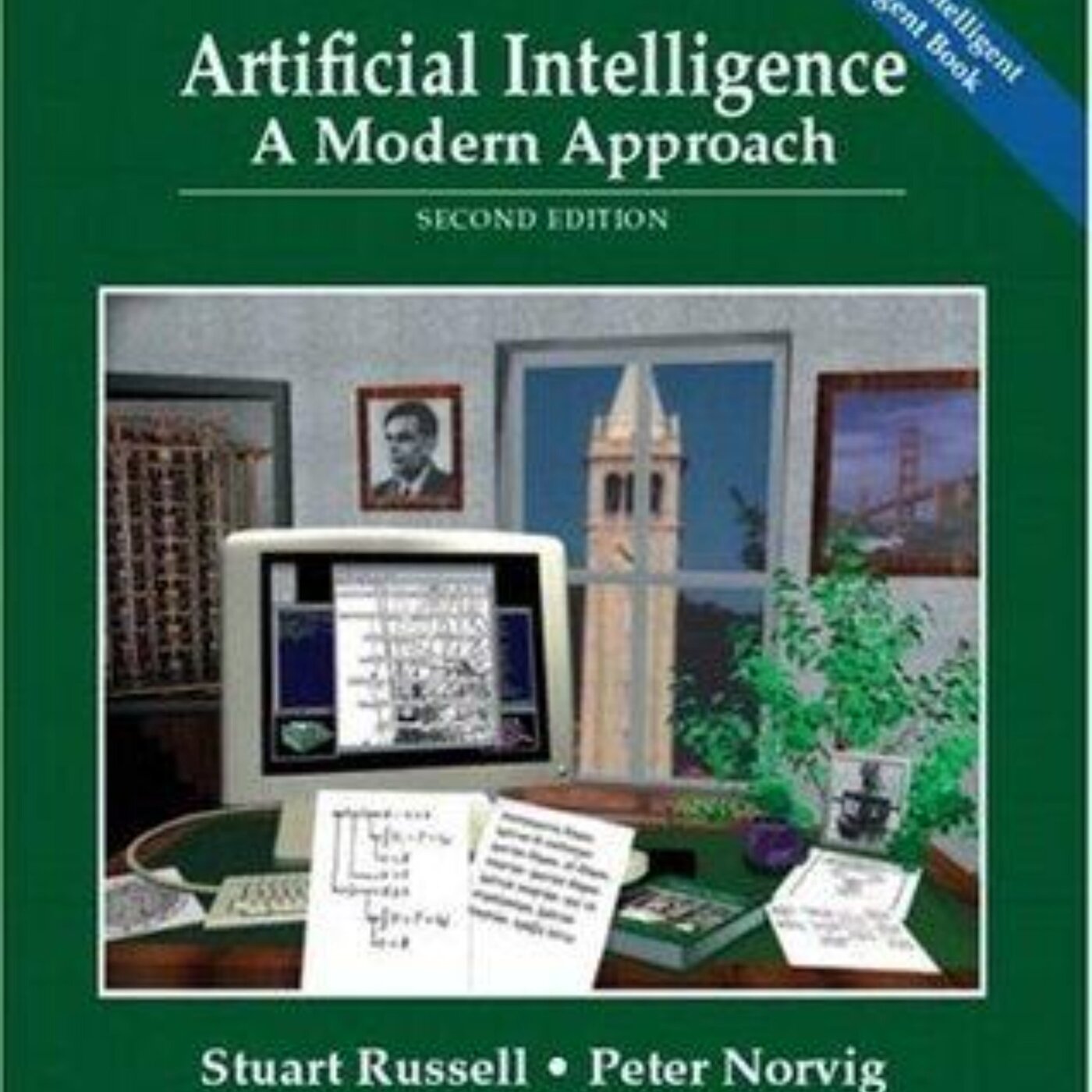
"Artificial Intelligence: A Modern Approach" by Stuart Russell and Peter Norvig provides a comprehensive overview of the field of artificial intelligence (AI), exploring its history, theoretical foundations, and practical applications. The book delves into key concepts such as problem-solving, knowledge representation, reasoning, learning, and natural language processing. It emphasizes the challenges and ethical considerations associated with AI development, advocating for a cautious approach that prioritizes safety and alignment with human values. Overall, the text serves as both an educational resource for students and a thoughtful exploration of the implications of AI for society.
2 Key Concepts of Artificial Intelligence
In "Artificial Intelligence" by Stuart Russell, Chapter 1 introduces fundamental concepts and themes surrounding the nature of intelligence, problem-solving, and the distinction between human cognition and machine processing. Subsequent chapters that resonate with this theme include Chapter 2, which delves into the history and evolution of AI, exploring how early theories of intelligence shaped technological advancements. Chapter 4 further expands on problem-solving strategies, discussing heuristic methods that echo aspects of human reasoning. Finally, Chapter 8 examines ethical implications of AI, prompting reflections on the human-like qualities we attribute to machines and their potential impact on society, thereby reinforcing the foundational ideas presented in Chapter 1.
3 In-Depth Chapter Analysis of Artificial Intelligence by Stuart Russell,
In "Artificial Intelligence: A Modern Approach" by Stuart Russell and Peter Norvig, the chapters are systematically organized to build a comprehensive understanding of AI concepts, techniques, and the implications of these technologies. The first few chapters introduce foundational theories such as problem-solving and search algorithms. For example, in Chapter 3, the focus is on solving problems via search, where Russell highlights methods like depth-first and breadth-first search. This establishes a cornerstone for later discussions on more complex AI systems and reinforces the theme of rational decision-making.
As the book progresses, later chapters delve into advanced topics like machine learning, probabilistic reasoning, and multi-agent systems, emphasizing the ethical implications and societal impacts of AI. For instance, Chapter 27 on the ethics of AI and its potential future examines issues such as autonomy, accountability, and the responsibility of designing AI systems that align with human values. This chapter connects back to earlier discussions by framing the technical foundations in a broader ethical context, underscoring the increasing importance of responsible AI practices as technology evolves. By weaving these themes together throughout the chapters, Russell and Norvig highlight not only the technical complexities of AI but also the pressing need for alignment with societal values and ethical considerations.
Book Summary Audio Bookey https://www.bookey.app/audiobook/artificial-intelligence
Quotes https://www.bookey.app/book/artificial-intelligence/quote
Youtube https://www.youtube.com/watch?v=rPRJNa3vCQA
Amazon https://www.amazon.sg/Artificial-Intelligence-Approach-Stuart-Russell/dp/0136042597
Goodreads https://www.goodreads.com/book/show/36451668-artificial-intelligence
- Philosophy
- Technology & Futurism




Join the conversation
You can post now and register later. If you have an account, sign in now to post with your account.