




Chapter 1:SUMMARY OF THE BOOK THE WORLD OF YESTERDAY
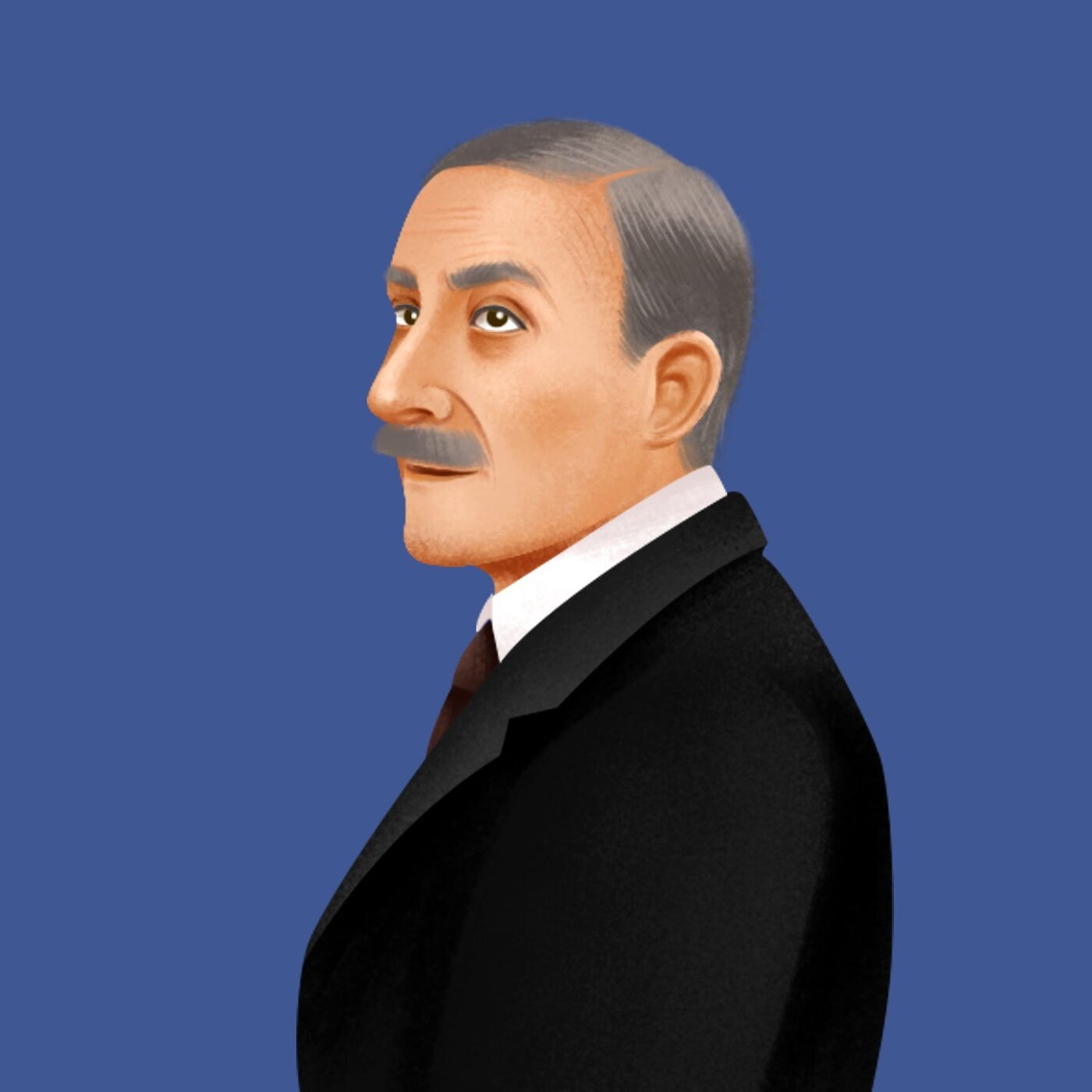
The World of Yesterday is an autobiography by Austrian writer Stefan Zweig. It was first published posthumously in 1942, shortly after Zweig's suicide in exile in Brazil.
The book chronicles Zweig's upbringing and early years in Vienna, Austria, during the late 19th and early 20th centuries. He describes his experiences growing up in a wealthy Jewish family and attending prestigious schools. He also reflects on the vibrant cultural and intellectual scene in Vienna at the time, with prominent figures such as Sigmund Freud, Gustav Mahler, and Arthur Schnitzler shaping the city's artistic and intellectual life.
Zweig then recounts his travels around Europe and the world, immersing himself in various cultures and encountering different political systems. He shares his encounters with famous writers and artists of his time, such as Rainer Maria Rilke, Émile Verhaeren, and Auguste Rodin. Zweig also discusses his deep love for literature and how it influenced his own writing.
The book takes a darker turn as Zweig documents the rise of nationalism and anti-Semitism in Europe, particularly in the 1930s. He reflects on the collapse of the Austro-Hungarian Empire, the devastation of World War I, and the subsequent rise of fascism in Germany and Italy. Zweig, a strong opponent of fascism, describes how these political changes affected him personally and made him lose hope for humanity.
Ultimately, The World of Yesterday is not just a personal memoir but also a social and historical commentary. Zweig offers insight into the turbulent times he lived through and provides a cautionary tale about the dangers of nationalism, intolerance, and political extremism. The book serves as a powerful reminder of the fragility of civilization and the importance of preserving peace and cultural exchange.
Chapter 2:the meaning of The Book The world of yesterday
"The World of Yesterday" is a memoir written by Stefan Zweig, an Austrian writer and philosopher. It was published posthumously in 1942, after Zweig and his wife committed suicide in Brazil as they faced the impending fall of Europe to Nazi Germany.
The book reflects on Zweig's personal experiences and observations of the major political and social changes that occurred in Europe during the late 19th and early 20th centuries. Zweig writes about the decline of the Austro-Hungarian Empire, the outbreak of World War I, the rise of nationalism and anti-Semitism, and the collapse of the European ideals of civilization and progress.
Through vivid descriptions and introspection, Zweig captures the essence of a world on the brink of destruction, describing the vibrancy of pre-war European society and contrasting it with the devastation and darkness that followed. He also reflects on his own intellectual journey, shedding light on his literary influences, friendships with prominent figures such as Sigmund Freud and Richard Strauss, and his personal struggles with identity, assimilation, and exile.
Overall, "The World of Yesterday" is a powerful reflection on the human condition, the fragility of civilization, and the consequences of political extremism. It serves as a testament to the loss and disillusionment experienced by an entire generation during a tumultuous period of history.
Chapter 3:The Book The world of yesterday chapters
The book "The World of Yesterday" by Stefan Zweig does not have traditional chapters. Instead, it is divided into different sections that discuss various themes and periods in Zweig's life and the world around him. Here is a brief summary of each section:
1. Foreword: In this short introduction, Zweig reflects on the significance of his memoir in capturing the world that has disappeared due to the events of World War I and World War II.
2. I am an Austrian: Zweig describes his upbringing in Austria, his love for Vienna, and his sense of belonging to the Austrian culture.
3. Meeting of the Nations: This section focuses on the cultural diversity and cosmopolitan atmosphere of Europe in the early 20th century. Zweig explores the interconnectedness of different nations and celebrates the richness brought by different cultures.
4. Education of a European: Zweig discusses his intellectual and artistic development, his love for literature, and his encounters with leading figures in the European literary and artistic scene.
5. The Twilight of Security: Zweig reflects on the political instability and rise of nationalism in Europe before World War I. He describes the growing tensions and the eventual outbreak of the war, which deeply affected the lives of many Europeans, including himself.
6. A Golden Decade: This section focuses on the golden period of the 1920s, when Europe was slowly recovering from the war. Zweig describes the vibrant cultural scene, the excitement of new artistic movements, and his own successes and journeys during this time.
7. The World of Security Crumbles: Zweig discusses the increasing political unrest and the rise of totalitarian regimes, such as fascism and communism. He observes the loss of individual freedoms, intellectual suppression, and the growing threat to human rights.
8. The Mental Attitude of a Citizen of the World: In this section, Zweig reflects on his own identity as a citizen of the world and the responsibilities that come with it. He emphasizes the importance of cultural exchange, understanding, and compassion to prevent future conflicts.
9. Reunion with the Past: Zweig describes his personal journey of reconnecting with his past, visiting his childhood home, and reflecting on the memories and experiences that shaped him.
10. The Great War: In this final section, Zweig reflects on the impact of World War II, the rise of Nazism, and the subsequent destruction of Europe and its cultural heritage. He discusses his personal struggles, his decision to leave Europe, and his ultimate decision to take his own life.
Overall, "The World of Yesterday" provides a fascinating account of Zweig's life and the turbulent times he lived through. It explores themes of identity, cultural exchange, the loss of stability, and the devastating consequences of nationalism and totalitarianism.
Chapter 4: 10 Quotes From The Book The world of yesterday
1. "We had lived in a fool's paradise of reasonableness, we were intoxicated with the idea of progress, and now all that was destroyed, civilization melted away before our eyes."
2. "The world of my youth, with its once-so-clear dividing lines between people, religions, and nations, was vanishing."
3. "I cannot in good conscience remain silent about the disasters of our time, nor should any reasonable person refrain from speaking out."
4. "The true artist is one who can master their own suffering and transform it into art."
5. "In truth, the world had become too much for one lifetime, too much for a single existence to bear."
6. "We were caught in the whirlwind of an age in which everything was changing at an alarming pace."
7. "I realized that we were living on borrowed time, that the stability of our world was nothing more than a fragile illusion."
8. "In the end, all that remained were memories, fragments of a world that no longer existed."
9. "We were witnesses to the downfall of an era, the end of an empire, and the birth of a new world order."
10. "I have seen the best and worst of humanity, the heights of achievement and the depths of despair, and it is with a heavy heart that I recount these stories to future generations."
- Biography & Memoir




Join the conversation
You can post now and register later. If you have an account, sign in now to post with your account.